
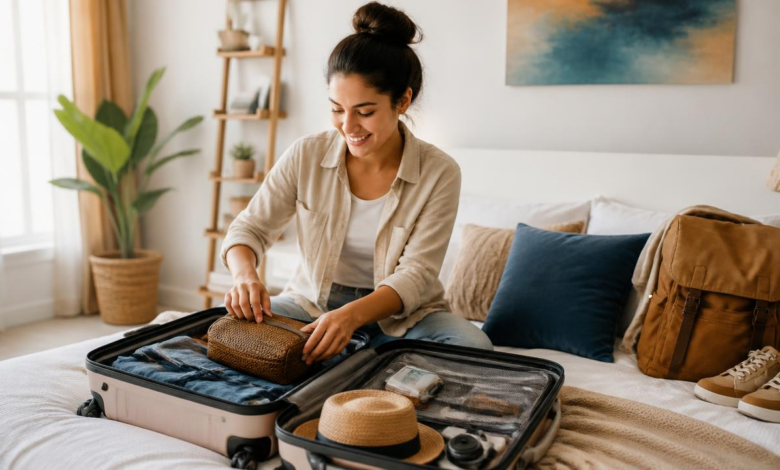
A micro-cation is a short, intentional break, typically lasting one to four nights. It is far more than just a smaller vacation; it is a smarter approach to travel. When planned effectively, these weekend getaways can provide the same sense of rejuvenation, happiness, and mental clarity often associated with longer holidays. They offer a practical solution for busy individuals, couples, families, and solo travelers.
These impactful trips work by focusing your energy. Instead of attempting to see everything, you build your short escape around one clear objective: rest, adventure, culinary experiences, nature, or connection. This singular decision then shapes your destination choice, your packing strategy, and the overall pace of your journey. If you often return from a weekend away feeling more exhausted than refreshed, this guide is designed for you. It offers a practical framework for planning weekend trips with intention, packing efficiently, and transforming quick getaways into genuinely recharging experiences.
The Essence of Micro-Cations: Why Short Breaks Matter
Micro-cations are appealing due to their manageable nature. A short trip avoids the extensive preparation, large budget, or complex logistics often required for longer vacations. This lower barrier makes it more likely that you will actually take the break, rather than continually postponing it.
There’s also a significant wellness benefit. Frequent, shorter pauses can effectively reduce stress and prevent burnout before it becomes overwhelming. Even a two-night change of scenery can refresh your mood and enhance your attention. Many travelers find that regular weekend getaways provide better daily balance than waiting all year for one extended vacation.
These brief escapes also encourage rediscovering nearby destinations. A local beach town, mountain lodge, wine region, cultural city, or rural retreat might offer more satisfaction than a long journey filled with airport hassles. For some, choosing local destinations is also a conscious decision, aligning with principles of ethical tourism and supporting local communities.
Flexibility is another key advantage. A micro-cation can be romantic, family-friendly, restorative, or adventurous. It can focus on culinary experiences, wellness, outdoor activities, or simply pure relaxation. This adaptability makes it perfect for impactful short trips: choose the format that genuinely matches your current needs, not just what looks impressive online.
Planning Your Impactful Weekend Trip
Defining Your Micro-Cation’s Purpose
A successful micro-cation begins with clear intention. Start by asking yourself one crucial question: What do I want to feel when I return? Whether it’s calm, inspired, connected, energized, or accomplished, a clear answer simplifies the planning process immensely.
This intention helps avoid a common mistake in weekend travel: overloading the itinerary. If your goal is rest, packing in three restaurant bookings, a museum visit, a long hike, and sunrise yoga might actually work against your objective. Conversely, too much downtime could leave adventure-seekers feeling underwhelmed.
Ultimately, impactful weekend trips are not measured by the fullness of the schedule. They are judged by how effectively the trip delivers the desired experience. Clarity in your purpose leads to better choices, improved pacing, and significantly less decision fatigue once you reach your destination.
Selecting Your Destination Wisely
When time is limited, proximity becomes crucial. For most micro-cations, destinations within a one- to three-hour travel window are ideal. This could involve a road trip, a short train journey, or a brief flight. Minimizing transit time maximizes the actual duration of your escape.
Align your chosen destination with the trip’s primary purpose. A tranquil lakeside inn suits a restful reset, while a walkable historic city is perfect for culture and dining. A mountain cabin supports hiking and quiet reflection. For guidance on travel styles, explore our destination planning guide, which helps consider location, rhythm, and daily structure.
Prioritize simple logistics. Opt for places with easy navigation and centrally located accommodation. For a trip lasting only two or three days, every extra transfer feels magnified. Stress-free weekend travel often means politely declining destinations that, while beautiful, demand too much effort for the limited time available.
Crafting a Realistic Itinerary
One of the most valuable mini-vacation tips is to plan only one or two primary experiences per day. These are the core moments around which your trip revolves: a spa visit, a scenic hike, a special dinner, a museum, or a coastal drive. Everything else should complement these highlights, not compete with them.
This approach is particularly vital when maximizing 3-day trips. If Friday is largely travel and Sunday includes your return home, Saturday becomes your main full day. Therefore, your itinerary must include ample breathing room. A schedule that appears productive on paper often weakens the overall enjoyment of the experience.
Instead, construct a flexible framework. For example:
– Day 1: Travel, check-in, neighborhood stroll, relaxed dinner.
– Day 2: Main experience in the morning, leisurely lunch, downtime, evening activity.
– Day 3: One simple outing, brunch, return home.
Leave open blocks for spontaneous discoveries. The best weekend trip ideas often allow for unexpected finds: a local market, a beautiful viewpoint, or an extra hour simply doing nothing. Flexibility is not a sign of poor planning; it’s a hallmark of smart, real-life travel.
Booking and Home Preparation
For short trips, advance booking is more critical than many realize. Delays in reservations that might be minor on a ten-day trip become significant on a two-night getaway. Confirm your accommodation, transportation, and main activities early, especially if your destination is popular on weekends.
Select accommodation for its efficiency, not just its aesthetic appeal. A charming stay is wonderful, but a beautiful hotel located 40 minutes from everything can consume precious time. Walkability, parking availability, breakfast options, and late check-in policies often have a greater impact on a micro-cation than luxury amenities.
Carefully consider your transport. Driving offers freedom, while trains can provide a more restful journey. Flights are sensible when routes are direct and airport time is minimal. If your ideal weekend escape involves a scenic route or multiple stops, this guide to renting a car and planning a road trip offers valuable insights into timing and convenience.
Before departing, handle home logistics. Do laundry, clear urgent tasks, set your out-of-office reply, and stock essential items for your return. A crucial aspect of planning a successful micro-cation is recognizing that the return home is nearly as important as the departure. Coming back to disarray can quickly negate the benefits of your break.
A Quick Micro-Cation Planning Checklist
Use this straightforward checklist before you embark on your journey:
– Define the trip’s purpose: What do you want to achieve?
– Choose a nearby destination: Minimize travel time.
– Set a realistic budget: Plan your spending wisely.
– Book transport and accommodation: Confirm details early.
– Reserve key activities: Secure your main experiences.
– Check the weather forecast: Prepare accordingly.
– Plan simple outfits: Focus on versatility.
– Download essential documents: Tickets, maps, confirmations.
– Set work boundaries: Disconnect before departure.
– Prepare your home: Ensure an easy return.
For accurate weather updates, consult reliable forecasts like The Weather Channel. For air travel regulations on toiletries and carry-on items, official guidelines from the TSA remain an invaluable resource.
Mastering the Pack: Efficient Travel Strategies
The Art of Minimalist Packing
The quickest way to enhance any weekend getaway is to pack less. Minimalist packing for short trips saves valuable time before departure, during transit, and upon arrival. It reduces decision fatigue, simplifies movement between locations, and decreases the chance of forgetting items in a cluttered bag.
For most brief trips, a single carry-on or duffel bag is sufficient. Avoiding checked luggage eliminates wait times and reduces a common travel stressor. This strategy also encourages you to thoughtfully curate your choices, bringing only what you genuinely intend to use.
Packing light does not imply being unprepared. Instead, it signifies packing with clear purpose. Every item included should justify its presence by being essential, highly versatile, or providing enough comfort to warrant the space it occupies.
Essential Packing Checklist
A practical packing list begins with clothing. Think in terms of complete outfits rather than individual pieces. Opt for a simple, cohesive color palette to ensure everything mixes and matches easily, maximizing your wardrobe versatility.
A comprehensive clothing checklist could include:
– 2 daytime tops: Versatile options.
– 1 extra top or evening option: For variety.
– 1 pair of pants or jeans: A comfortable staple.
– 1 second bottom or dress: Depending on your itinerary.
– 1 light layer or sweater: For changing temperatures.
– 1 weather-ready jacket: Essential protection.
– Sleepwear: For comfort.
– Undergarments and socks: Sufficient supply.
– 1 to 2 pairs of shoes total: Prioritize comfort and versatility.
Keep toiletries compact and travel-sized:
– Toothbrush and toothpaste: Basic hygiene.
– Travel-size skincare basics: Maintain your routine.
– Deodorant: Essential freshness.
– Hair essentials: Minimum necessary.
– Medication: Any personal prescriptions.
– Sunscreen if needed: Protect your skin.
– Small laundry or stain solution: For unexpected spills.
For documents and technology, maintain a minimalist approach:
– ID or passport: Required identification.
– Wallet and payment cards: Financial essentials.
– Phone and charger: Stay connected.
– Power bank: For on-the-go charging.
– Headphones: For entertainment or focus.
– Reservation confirmations: Digital or printed.
– Offline maps or screenshots: For navigation.
Don’t forget personal comfort items. A good book, a journal, or a reusable water bottle can significantly enhance your trip experience without adding considerable bulk.
Smart Packing Hacks and Strategies
Rolling clothes is generally effective for short trips, as it conserves space and makes outfits more visible. Packing cubes can offer even greater benefits. They neatly separate categories, compress soft items, and enable you to unpack and repack in mere minutes, enhancing overall organization.
Adopting a travel capsule wardrobe is another valuable strategy. Select pieces that can be worn in multiple settings. A neutral jacket, comfortable trousers, and one versatile pair of shoes can accommodate train journeys, café lunches, and casual dinners without requiring entirely separate outfits for each occasion.
Utilize small spaces creatively. Socks can be tucked inside shoes, and chargers fit perfectly into side pockets. Keeping liquids together in one pouch is also advisable. When every item has its designated place, repacking becomes simpler, and you are less likely to leave anything behind.
For a lighter and more mindful approach to packing, consider adopting eco-friendly travel gear and sustainable packing ideas. Many reusable and compact products are particularly well-suited for quick getaways, aligning with conscious travel principles.
Weather and Activity Specific Packing
Your luggage should accurately reflect the specific trip you are undertaking, not an abstract ideal. A city break, a spa retreat, a hiking weekend, and a beach escape each demand slightly different packing priorities and considerations.
For cooler climates, layering clothing is more efficient than bringing bulky items. For active trips, moisture-wicking basics and one reliable outer layer are usually more practical than packing multiple ‘just in case’ pieces. For beach weekends, a cover-up and sandals can often replace a second evening outfit.
Always check the weather forecast close to your departure date, then review and edit your bag one final time. This last check often helps remove one or two unnecessary items. Efficient travel packing isn’t about rigid rules; it’s about intelligently adapting to real-world conditions.
What Not to Pack
Overpacking frequently stems from uncertainty rather than genuine need. Common mistakes include bringing too many shoes, duplicate toiletries, heavy electronics, and clothing for highly improbable scenarios that are unlikely to occur.
Avoid packing for every possible version of yourself. For a rest-focused escape, you likely won’t need formalwear, three jackets, or a laptop. Unless work is an integral part of your trip, consider leaving devices behind that might pull you back into your daily routine.
Another common oversight is forgetting the brevity of weekend escapes. Laundry can wait until you return, and outfit repetition is perfectly acceptable. If an item is uncomfortable, difficult to style, or high-maintenance, it simply doesn’t belong in your bag for a micro-cation.
Beyond the Basics: Making Short Trips Feel More Expansive
The Art of Unplugging
One reason weekend getaways sometimes fail to be restorative is that travelers never fully disconnect mentally. Emails, messages, and constant scrolling can easily follow you anywhere. A micro-cation achieves its best results when you intentionally create some distance from these habitual behaviors.
You don’t necessarily need a total digital detox to benefit. Start with small, manageable rules: no work emails, fewer notifications, no phone usage during meals, or dedicating one screen-free hour each morning. These boundaries genuinely help your attention settle into the experience of the trip.
If your escape includes cross-cultural dining, local classes, or new social settings, being present becomes even more vital. Small moments become richer when you truly notice them. This focused attention can make experiences like exploring local cuisine or engaging in cultural interactions far more memorable.
Embracing Flexibility and Spontaneity
Even a well-planned weekend needs room to breathe. Some of the most delightful aspects of a short trip occur when you spontaneously wander into a bookstore, decide to extend lunch, or stop at an unplanned scenic viewpoint.
This flexibility is crucial because rigid schedules often create undue pressure. If one part of your day runs late, the entire trip can quickly feel ‘off.’ A flexible mindset helps prevent minor disruptions from escalating into emotional setbacks.
Consider your itinerary as a guiding framework, not a strict script. Plan sufficiently to safeguard your key priorities, then allow the remainder of the trip to unfold naturally. This balance often transforms ordinary short trips into truly impactful weekend escapes.
Documenting and Reflecting
Memories become deeper when you take a moment to truly acknowledge them. A few thoughtfully taken photos, a quick entry in a journal, or a brief note on your phone can help preserve the feeling of the trip long after you have returned home.
Reflection also offers practical benefits. Ask yourself what aspects worked exceptionally well. Was the destination conveniently located? Did you overpack unnecessarily? Did you schedule too many activities for a single day? These insights form your personal blueprint for more successful future quick getaways.
If possible, allow for a small buffer period after arriving home. Even a few hours to unpack, reset, and prepare for the upcoming week can help the trip conclude gently rather than abruptly. This smooth transition often helps protect the calm and rejuvenation you worked hard to cultivate.
Final Thoughts on Recharging Weekend Trips
The essence of the micro-cation truly lies in the art of intention. Select a destination that aligns perfectly with your available time, construct a simple plan centered on one clear purpose, and pack only what genuinely supports that experience. These three foundational habits can profoundly transform ordinary weekend travel into something far more restorative and memorable.
The inherent beauty of weekend escapes is their remarkable accessibility. You do not require extended leave from work, an extravagant budget, or a perfectly flawless itinerary. All that’s truly needed is a thoughtful, intentional approach and the permission to fully embrace the potential of a short break.
So, if you’ve been waiting for the “right time” to travel, consider this your clear signal to think smaller and smarter. Begin with one nearby destination, one efficiently packed bag, and one clear, guiding goal. This simple approach might be all it takes to unveil how remarkably powerful a short trip can truly be.
Ready for your next adventure? Save this weekend travel planning guide, develop your own personalized checklist, and consider sharing your favorite micro-cation tips with someone who could truly benefit from a rejuvenating break. Sometimes, the most impactful journeys are precisely those that fit seamlessly into a single weekend.